
Boston cleanout guide
How to arrange refrigerator disposal in Boston
Keep a refrigerator’s cooling system intact and choose a collection route before moving it outside. Refrigerant handling and the carry-out plan are separate parts of the job.
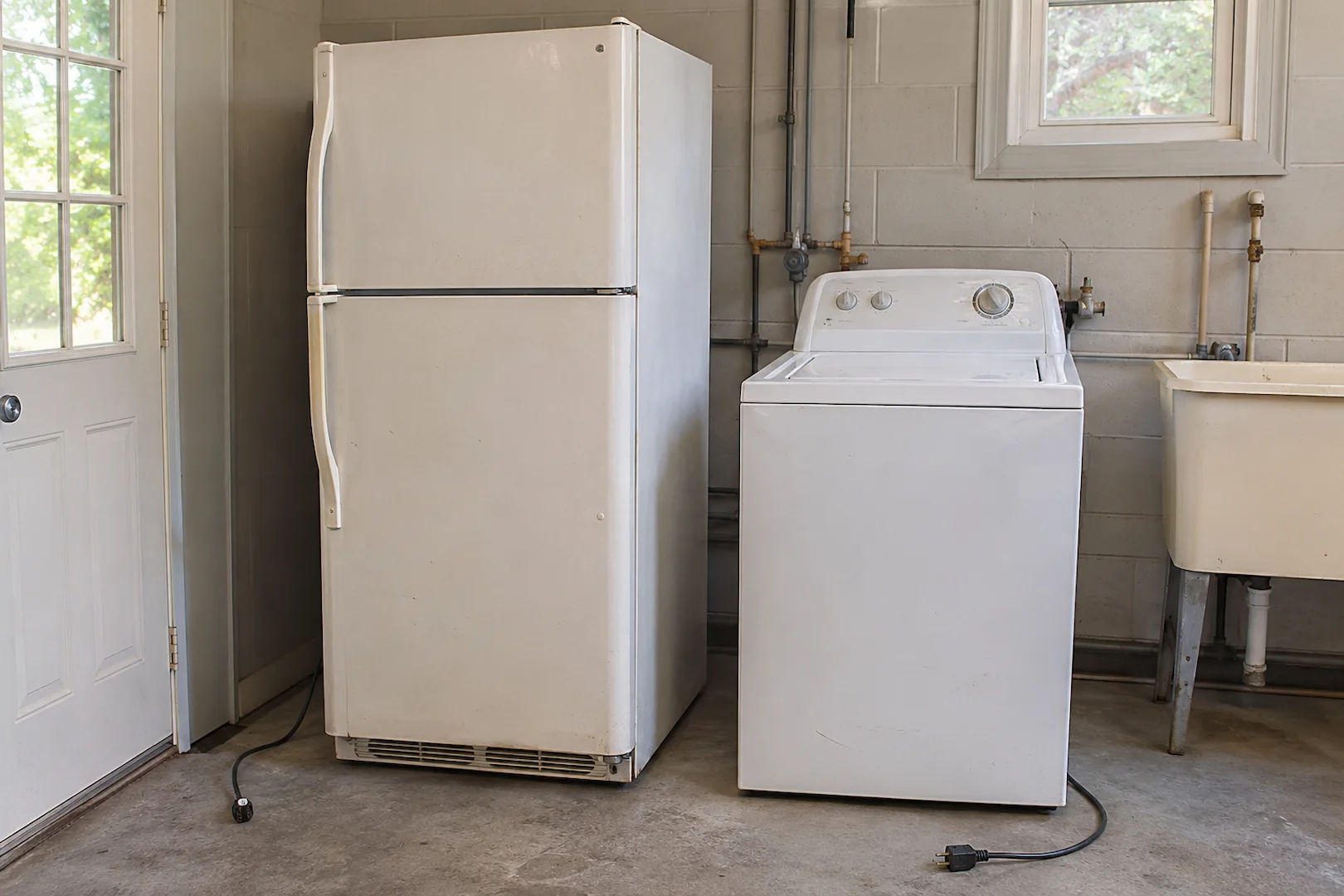
Do not cut lines or remove the compressor
The EPA’s consumer guidance advises owners not to tamper with an appliance before disposal, including cutting refrigerant lines or removing compressors. A fridge that no longer cools can still require proper refrigerant handling.
Leave that work to the appropriate disposal chain. Removing a component to make the appliance lighter can create a new problem and complicate acceptance. If it has already been damaged or partly dismantled, tell the receiving provider before scheduling collection.
The same planning principle applies to freezers and other cooling equipment. Identify the item accurately rather than calling every unit a refrigerator, because acceptance and collection arrangements may differ.
Three practical places to start
Boston special collection. Check the City’s current special-item instructions for eligibility, scheduling, and preparation. If you are in a managed building, ask whether management coordinates the request.
The replacement retailer. Ask whether old-appliance take-back is available with your purchase. Confirm whether the service covers your item, where it must be located, and what must be disconnected beforehand. Do not assume delivery staff will handle every installation or access issue.
A private removal provider. Describe the appliance, location, and access, and ask where the appliance will be taken for recycling or disposal. A removal request is more useful when it includes the actual model and dimensions rather than just “one fridge.”
Compare the full scope. A curbside collection may fit one household, while another needs help carrying a unit from a basement or coordinating a service elevator.
Ask where the refrigerator will go
The EPA’s appliance disposal guidance places responsibility for refrigerant recovery on the final disposer, with documentation requirements when recovery occurs earlier. For a household customer, the useful question is whether the appliance is going through an appropriate receiving process.
Ask the collector where the appliance is expected to go and whether its condition affects acceptance. Avoid relying on a vague statement that every part will be recycled. Different components and conditions can require different handling.
You do not need to dismantle the appliance or remove refrigerant to demonstrate that you have prepared it. Keep the unit identifiable and follow the collection provider’s current instructions.
Prepare the room and the route
Arrange food storage before the collection date. Empty the appliance and ask the provider how it should be prepared for transport. If a water supply, built-in enclosure, or other connection needs attention, have the appropriate person deal with it before the carry-out appointment.
- Measure the appliance, doors, and difficult turns.
- Photograph stairways and the route to the loading point.
- Tell the provider about an elevator booking or loading restriction.
- Keep children and pets away from the work area.
- Leave the appliance in its current position if moving it safely is uncertain.
A fridge in a tight alcove may be harder to remove than a larger one in an open room. Give the provider a wide photo showing the surrounding cabinets and floor, not only the appliance door.
Make the request specific enough to assess
Include the appliance type, dimensions, floor level, connection status, access photos, and your preferred timing. Say whether the fridge is part of a larger garage cleanout or a replacement in an occupied kitchen.
For a Brickline appliance removal inquiry, explain any uncertainty up front. A damaged cooling line, an inaccessible stair turn, or a unit still connected to water should be part of the conversation before a collection arrangement is made.
Keep the agreed scope and any handoff information. After removal, check that the access route is clear and that any follow-up work for the replacement appliance is ready to proceed.
Sources & further reading
Municipal programs and accepted materials can change. Check the linked program before making arrangements.
A little more room starts here
What would you like to clear?
A single item or several rooms. Tell us what you have, where it is, and when you need the space.
Photos help us understand the load. Mention stairs, elevators, and parking so we can plan the pickup with you.
(617) 399-3379Every day · 9am–7pmTiming depends on availability, access, and the items involved. For a request today, please call.