
Boston cleanout guide
Appliance disposal in Boston: choose the right route
Appliance removal starts with the exact item. A refrigerator, washing machine, microwave, and water heater can involve different preparation and collection arrangements.
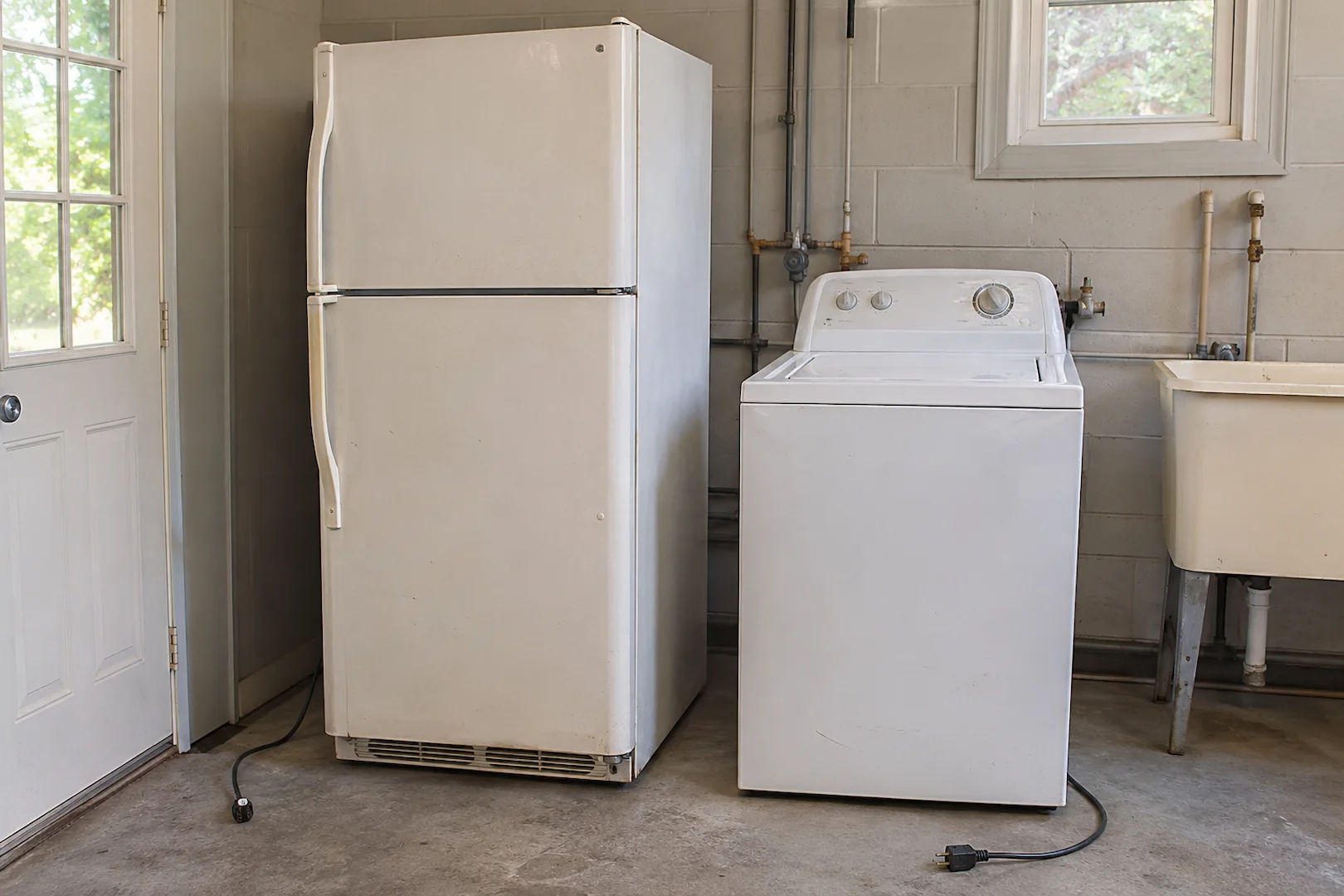
Identify the appliance before choosing a route
Write down the appliance type, approximate dimensions, and whether it is working. A model label photo can help if the item is unusual. Also note where it is installed: a ground-floor laundry room is a different removal job from a narrow basement with a turning staircase.
Separate the question of collection from disconnection. Carrying a machine away does not necessarily include disconnecting gas, water, electrical wiring, or a built-in fitting. Tell the provider what is still connected and ask which preparation must be completed by the appropriate person before removal.
For a kitchen or laundry replacement, coordinate that preparation with the delivery and installation schedule. Avoid creating a gap in which an old appliance blocks the route for the new one.
Compare the options for the item you have
| Option | Useful when | What to confirm |
|---|---|---|
| City special collection | The exact item and address qualify | Appointment, preparation, and pickup point |
| Retailer take-back | A replacement purchase includes an available service | Charges, disconnection, access, and old-item eligibility |
| Donation or reuse | The appliance works and a recipient accepts it | Age, condition, dimensions, and transport |
| Private removal | You need help carrying and removing the appliance | Item acceptance, access, carrying work, and disposal destination |
Boston’s special collection guidance identifies appliances and electronics requiring a particular process. Check the item directly instead of relying on the broad word “appliance.”
Working equipment may have a reuse route
If an appliance is still useful, check the recipient’s actual acceptance rules before arranging transport. Greater Boston ReStore publishes appliance guidelines, including condition and category requirements. It can decline a donation, so acceptance should be settled before the item is loaded.
Describe defects rather than saying an appliance is “probably fine.” Include missing shelves, damaged seals, unusual noises, or a part that no longer works. A recipient or recycler needs the real condition to decide what it can accept.
Massachusetts lists large appliances among its regulated waste categories. When arranging private removal, ask which materials are accepted and where the appliance will be taken.
Give the removal provider a view of the whole route
- A full photo of the appliance and any label
- The room, floor level, and number of stair flights
- Narrow doors, turns, thresholds, or a basement bulkhead
- Elevator or loading-dock arrangements
- Whether the appliance is disconnected and ready to move
- Other items included in the same request
Keep nearby drawers and cupboards closed, and move small personal belongings away from the work route. Do not drag a heavy appliance to a more convenient location just to make the quote simpler. Its current position is part of the scope.
For a fridge or freezer, leave the cooling system alone. The refrigerator disposal guide explains why that equipment needs a distinct handling route. Built-in or hardwired equipment may need additional preparation before an ordinary collection visit can proceed.
Ask what the removal includes
A useful agreement identifies the item, pickup location, labor, access assumptions, and exclusions. Ask what happens if an appliance is still connected, does not fit through the described route, or differs from the photo. That conversation helps avoid a failed visit.
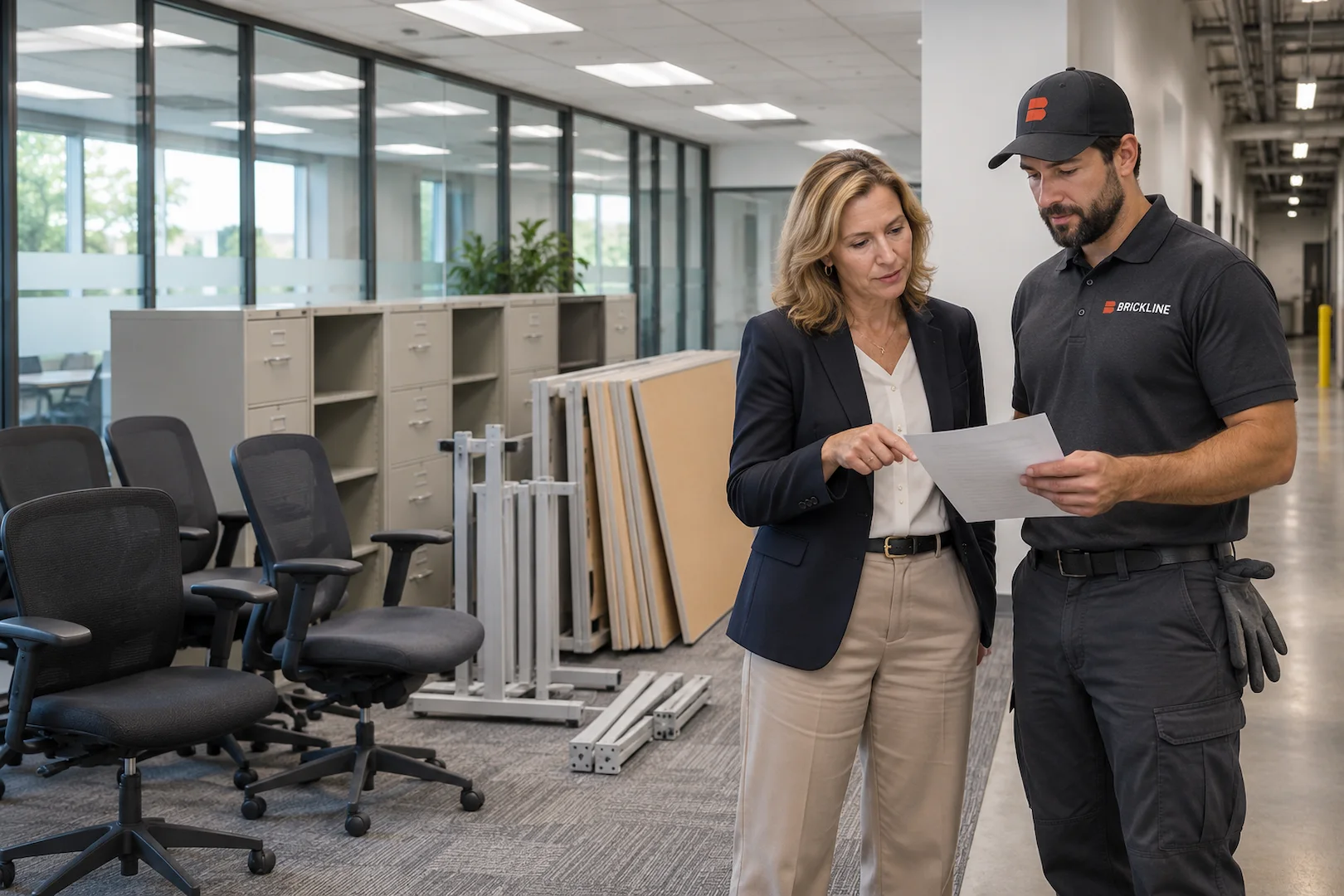
Brickline can review an appliance removal request alongside furniture or other accepted household items. Send the appliance details separately within the larger list. If a different trade or specialist needs to prepare it, settle that work before arranging the final carry-out.
Once the collection is complete, check the room and access route. Keep any handoff or disposal information provided with your replacement-appliance paperwork.
Sources & further reading
Municipal programs and accepted materials can change. Check the linked program before making arrangements.
A little more room starts here
What would you like to clear?
A single item or several rooms. Tell us what you have, where it is, and when you need the space.
Photos help us understand the load. Mention stairs, elevators, and parking so we can plan the pickup with you.
(617) 399-3379Every day · 9am–7pmTiming depends on availability, access, and the items involved. For a request today, please call.