
Boston cleanout guide
Battery recycling in Boston: identify the battery first
Identify the battery before choosing a disposal route. Lithium-ion, rechargeable, alkaline, and other batteries are not one category, and damaged devices need a separate assessment.

Read the battery or device label first
Look for the battery type, model, and manufacturer information. Keep loose batteries separate from devices whose batteries are still installed. If you cannot identify a battery safely from the outside, ask the collection program or manufacturer rather than opening the device.
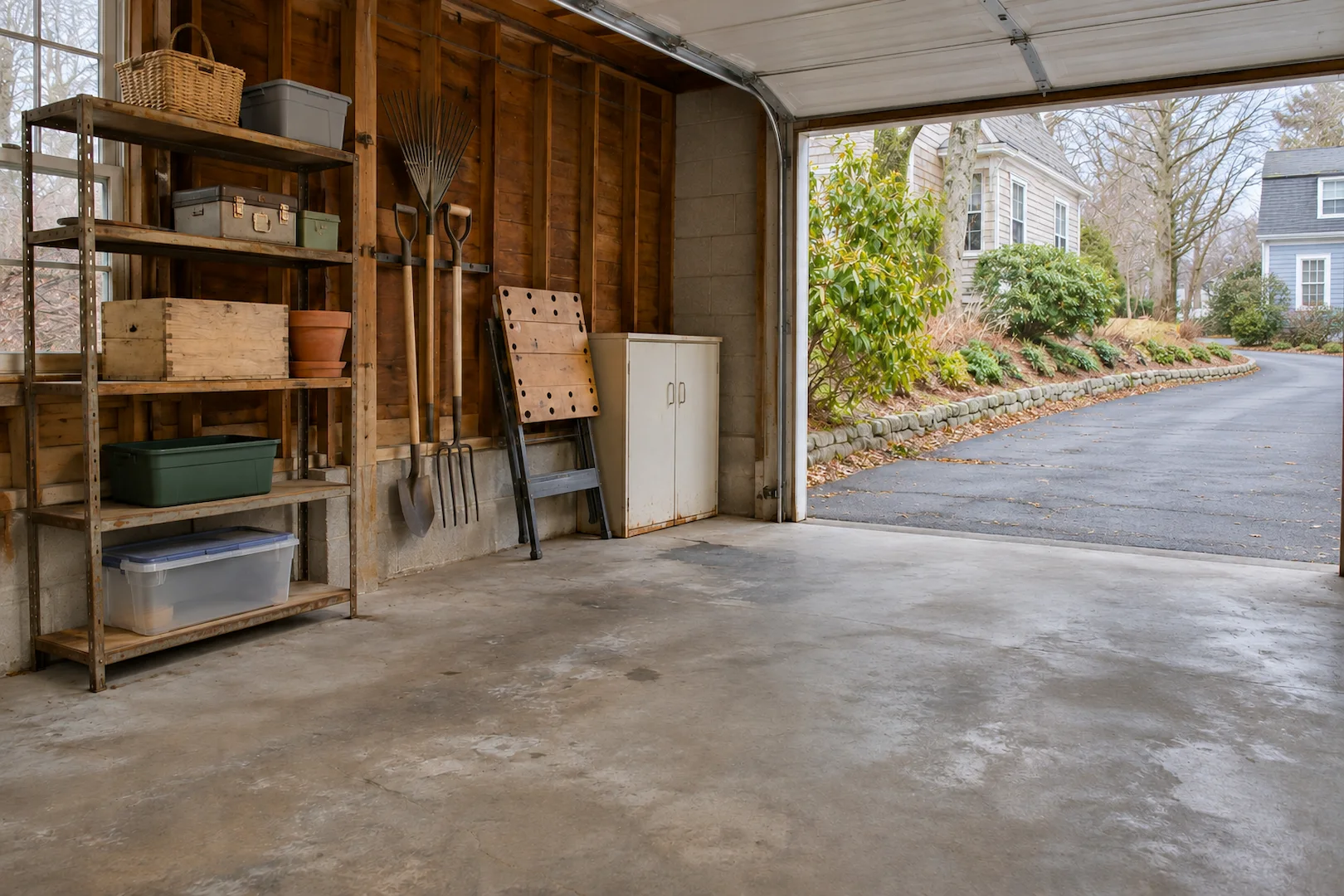
A box from a garage may contain several types collected over many years. Do not assume every small cylinder is alkaline or every rechargeable device follows the same drop-off process. Describe what you have before selecting a destination.
Lithium-ion batteries stay out of ordinary trash and recycling
Massachusetts’ lithium-ion safety guidance warns that damaged batteries can start fires in collection equipment and says not to put them in trash or household recycling. Use an appropriate battery collection route.
That distinction matters during a cleanout because batteries can be hidden in power tools, laptops, toys, and other devices. Tell the collection provider about battery-powered items instead of describing the load only as electronics or garage junk.
Do not remove a built-in battery solely to make an item easier to discard. Follow manufacturer and collection-program instructions for the device you have.
Check the receiving program before transporting the batteries
Massachusetts’ household-product guidance links to battery collection resources and preparation information. Boston’s Zero Waste Day page lists the battery categories accepted at its events.
Verify the current acceptance list, residency rules, and any packaging instructions. A collection box or event that accepts one battery category may not accept another. Commercial quantities can also require a different arrangement from household drop-off.
Ask about the actual item and condition when contacting the receiver. “Laptop battery in an intact device” is more useful than “a few batteries,” especially when the route depends on whether a device is complete.
Do not put a damaged battery into the normal plan
If a battery or device is visibly damaged, unusually hot, leaking, or behaving abnormally, stop using it and seek appropriate guidance. Do not charge it to test whether it still works or place it into a general cleanout box.
The Massachusetts safety page directs people to their local fire department when a battery shows warning signs. An ordinary recycling appointment should not be assumed to handle an active battery problem. Keep that situation separate from routine decluttering.
Do not dismantle a battery pack, puncture a cell, or attempt a home repair as part of disposal. Find a collection program that accepts the battery in its current condition.
For office equipment, coordinate with the device owner
During an office cleanout, ask IT or the asset owner to identify battery-containing equipment and approve its release. Data removal, battery routing, and transport are different tasks. One completed task does not establish that the other two are done.
Keep reviewed devices apart from equipment still awaiting a decision. Preserve a simple list of what is going to each destination. That helps avoid mixing personal electronics, leased equipment, and approved business assets.
Tell the removal provider what remains separate
If Brickline is reviewing the rest of a household or garage cleanout, identify the battery group as excluded unless a specific accepted route has been confirmed. Do not bury loose batteries in drawers or boxes that are marked for ordinary removal.
Before the final load leaves, check tools, small devices, and storage trays for overlooked batteries. Keep the collection instructions and destination with the item list so the remaining handoff is straightforward.
Sources & further reading
Municipal programs and accepted materials can change. Check the linked program before making arrangements.

A little more room starts here
What would you like to clear?
A single item or several rooms. Tell us what you have, where it is, and when you need the space.
Photos help us understand the load. Mention stairs, elevators, and parking so we can plan the pickup with you.
(617) 399-3379Every day · 9am–7pmTiming depends on availability, access, and the items involved. For a request today, please call.