
Boston cleanout guide
Getting rid of bulky items in a Boston apartment building
In an apartment building, collection rules and building rules work together. Ask management how bulky items are handled before placing furniture or a mattress in a shared area.
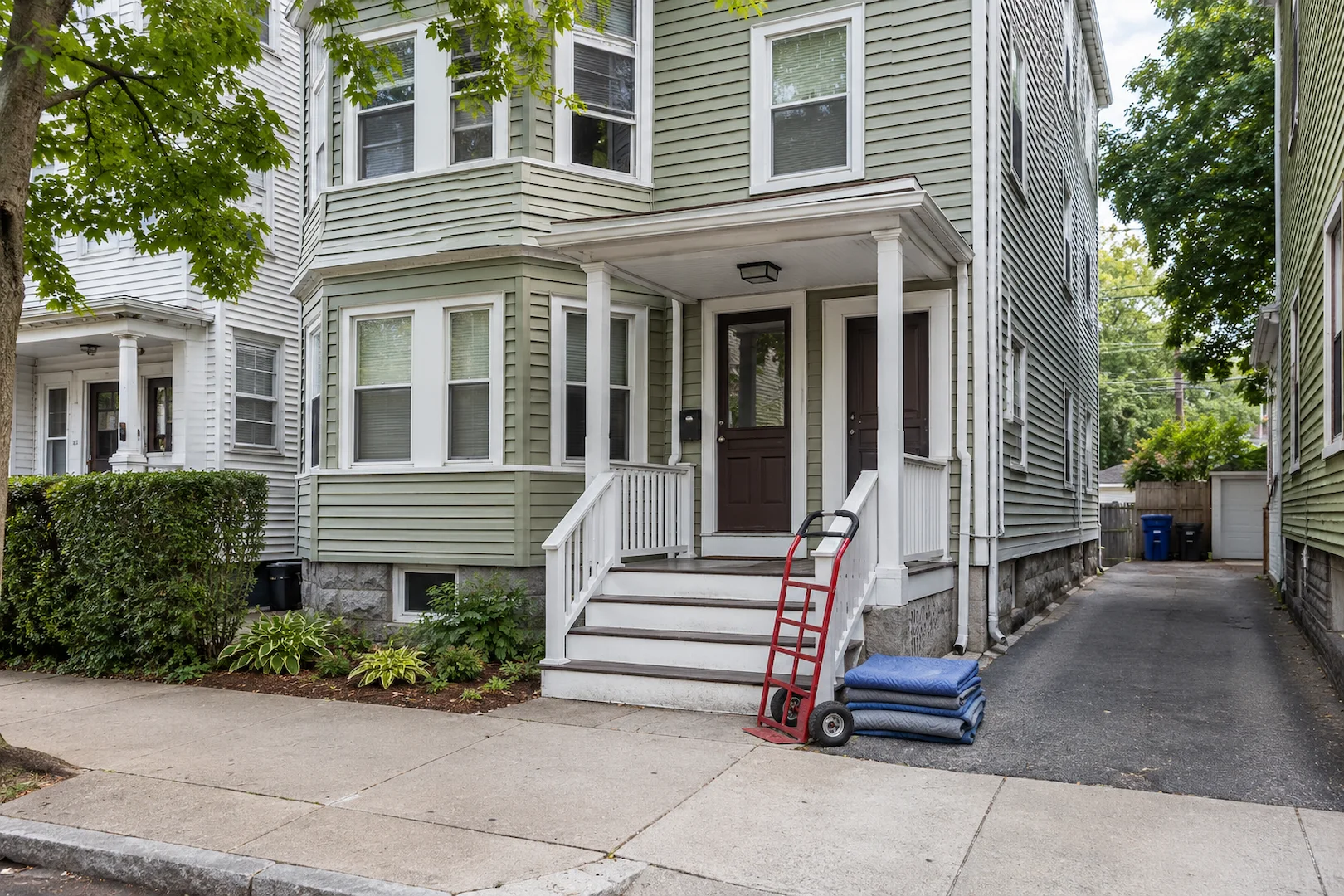
Ask management who arranges the collection
Start with a short message to the property manager or condominium contact. Identify the items, your unit, and the date you need them removed. Ask whether the building uses City collection, a private hauler, or a separate arrangement for particular items.
Boston’s large-building guidance is a useful reference, but it does not tell you where your building allows staging or when its elevator is available. Those practical details need a direct answer from management.
Keep the response with your cleanout plan. If you are a tenant, do not assume another resident’s earlier arrangement applies to your item or move-out date. Buildings can have different access conditions for different entrances and types of work.
Mattresses need a separate question
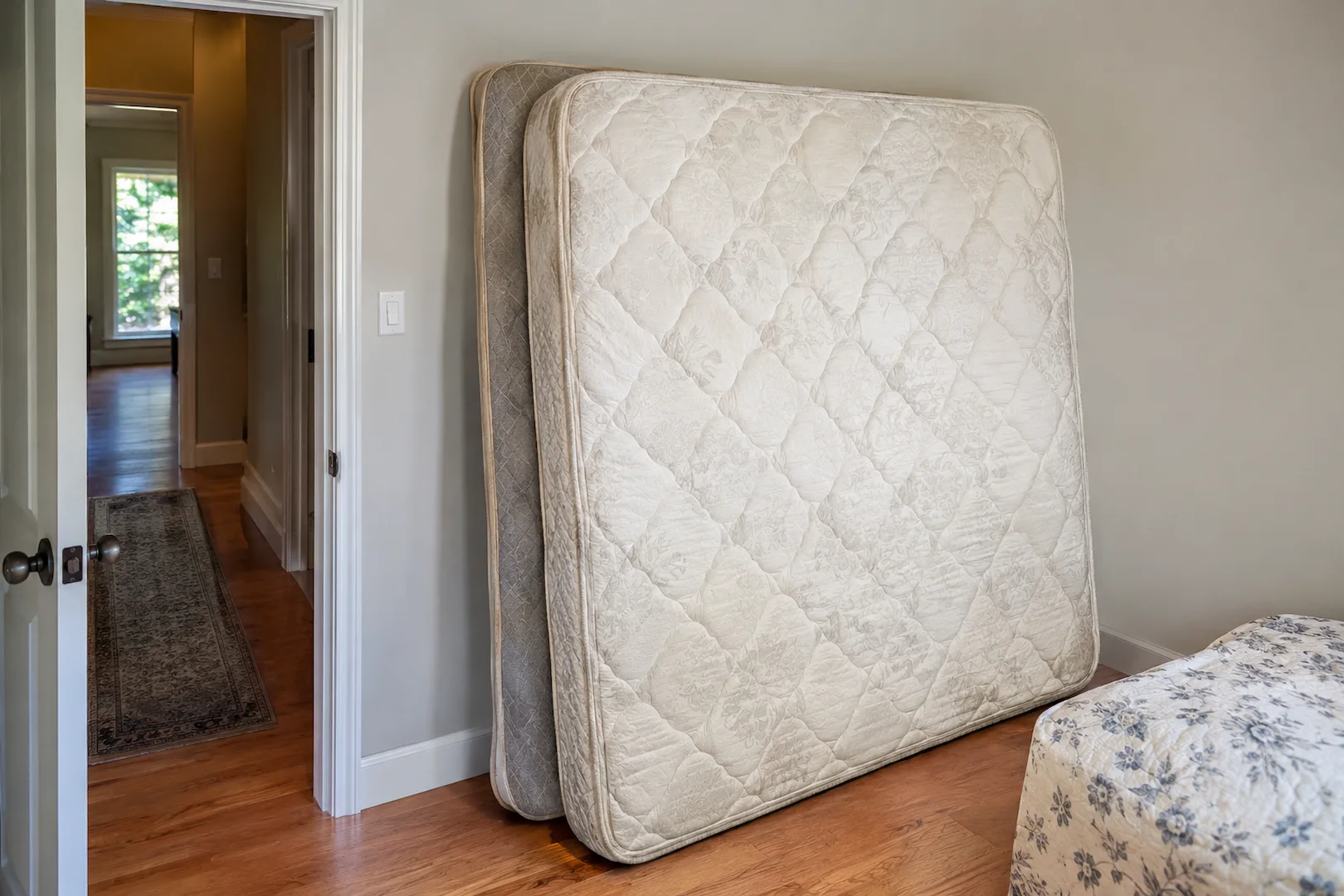
The City’s mattress page distinguishes buildings with six units or fewer from those with seven or more. Residents of larger buildings are told to speak with management about recycling arrangements.
That mattress rule does not mean every other waste service follows the same eligibility test. Check the item and the building’s actual arrangement rather than generalizing from one category. A couch, a box spring, and a refrigerator may need different steps.
Ask whether management requests the collection, whether there is a charge or booking process, and where the item must be placed. Do not use a basement corridor or trash room as a temporary holding area unless it is approved.
Reserve the route through the building
A large item can affect neighbors even before it reaches the street. Check service-elevator reservations, padding requirements, door access, and the hours when a contractor may work. If the building asks for provider documents, pass that request to the provider without assuming the requirement has been met.
Walk the route from the apartment to the approved loading point. Notice tight turns, thresholds, and doors that need to be held open by an authorized person. Photograph the difficult sections so a removal provider can assess them.
- Keep shared entrances and corridors usable.
- Separate your belongings from common-area property.
- Have someone available to identify the correct items.
- Tell the provider if the elevator or door requires staff access.
- Confirm where the vehicle can load.
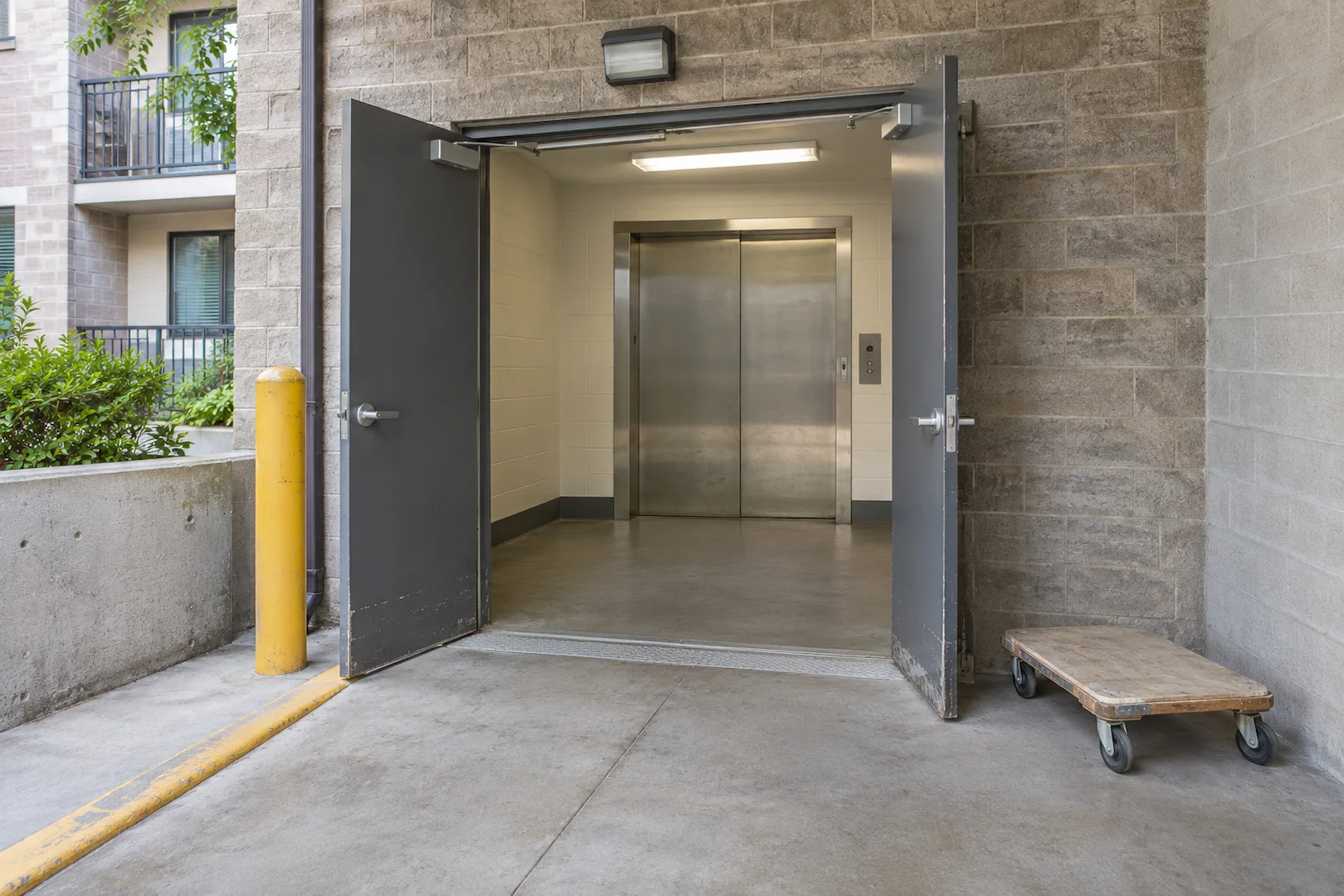
Use one item list for everyone involved
A written list prevents confusion between the resident, building staff, and removal crew. Describe the items by type and location. “Bedroom dresser next to the window” is clearer than “the wooden unit,” particularly when several similar pieces are present.
Label furniture that stays with the apartment. Keep a roommate’s belongings or anything awaiting an ownership decision out of the removal group. A cleanout appointment should not be used to resolve a disagreement about who owns an item.
If the scope changes, update both management and the provider. Adding a mattress or appliance can change the collection route, while adding more furniture can affect elevator time and loading access. Give notice before the visit rather than assuming the original arrangement covers the extra work.
When you ask about private removal
For a household removal inquiry, send the building type, unit floor, item photos, and management’s access instructions. State whether the items are inside the apartment or at an approved collection point.
If you are moving, include the handover deadline and any fixed elevator window. Brickline can review those details with the proposed load. Same-day or short-notice requests depend on the actual schedule, scope, and access; they should not be treated as a substitute for the building’s permission.
After collection, check the apartment, shared route, and approved staging area. Make sure the items that were meant to stay are still in place and that no packaging or small belongings were left behind.
Sources & further reading
Municipal programs and accepted materials can change. Check the linked program before making arrangements.

A little more room starts here
What would you like to clear?
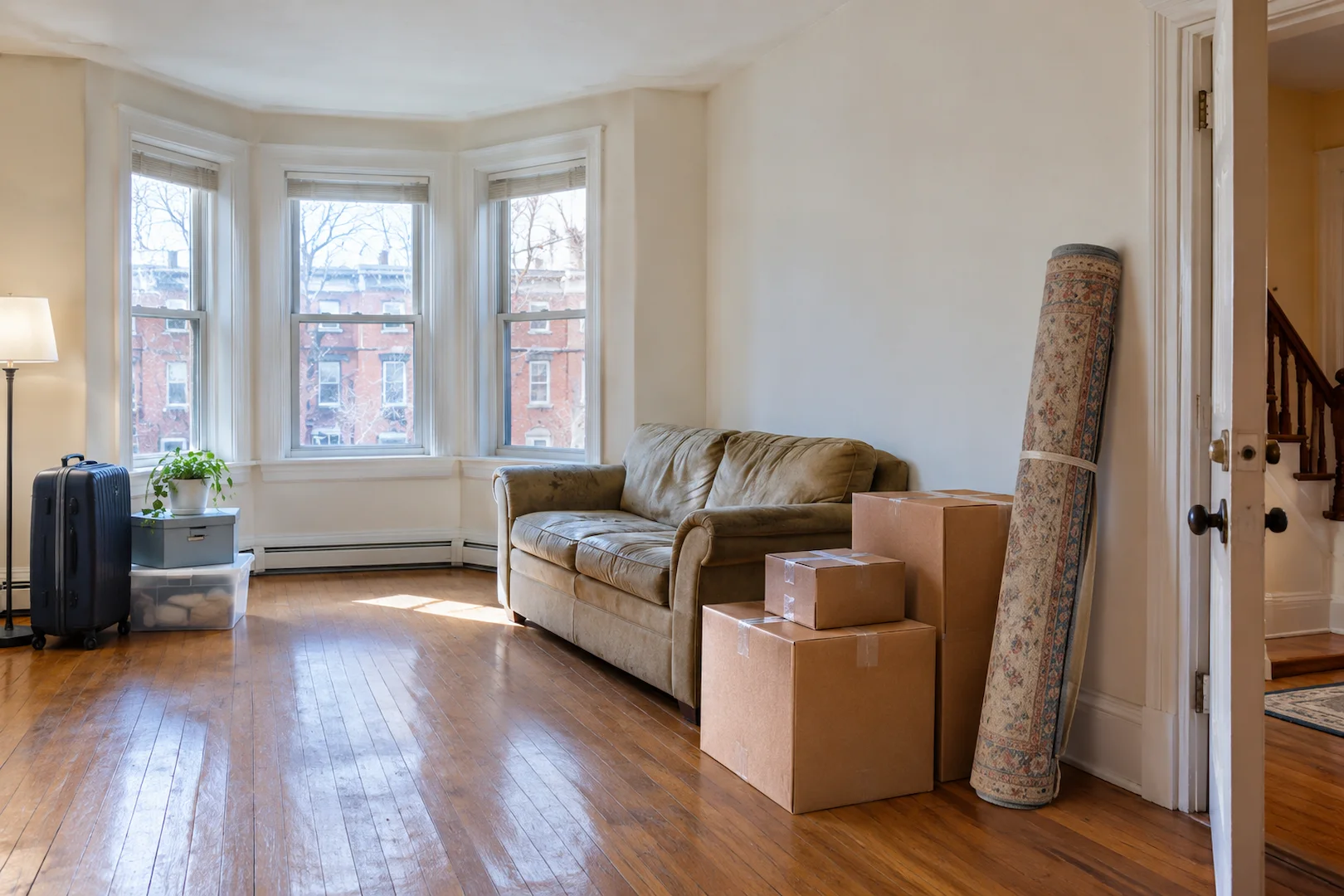
A single item or several rooms. Tell us what you have, where it is, and when you need the space.
Photos help us understand the load. Mention stairs, elevators, and parking so we can plan the pickup with you.
(617) 399-3379Every day · 9am–7pmTiming depends on availability, access, and the items involved. For a request today, please call.