
Boston cleanout guide
Furniture donation in Boston: what to check first
Donation works best when acceptance and transport are settled before a cleanout begins. Check the recipient’s current rules, describe the item honestly, and keep a backup route.
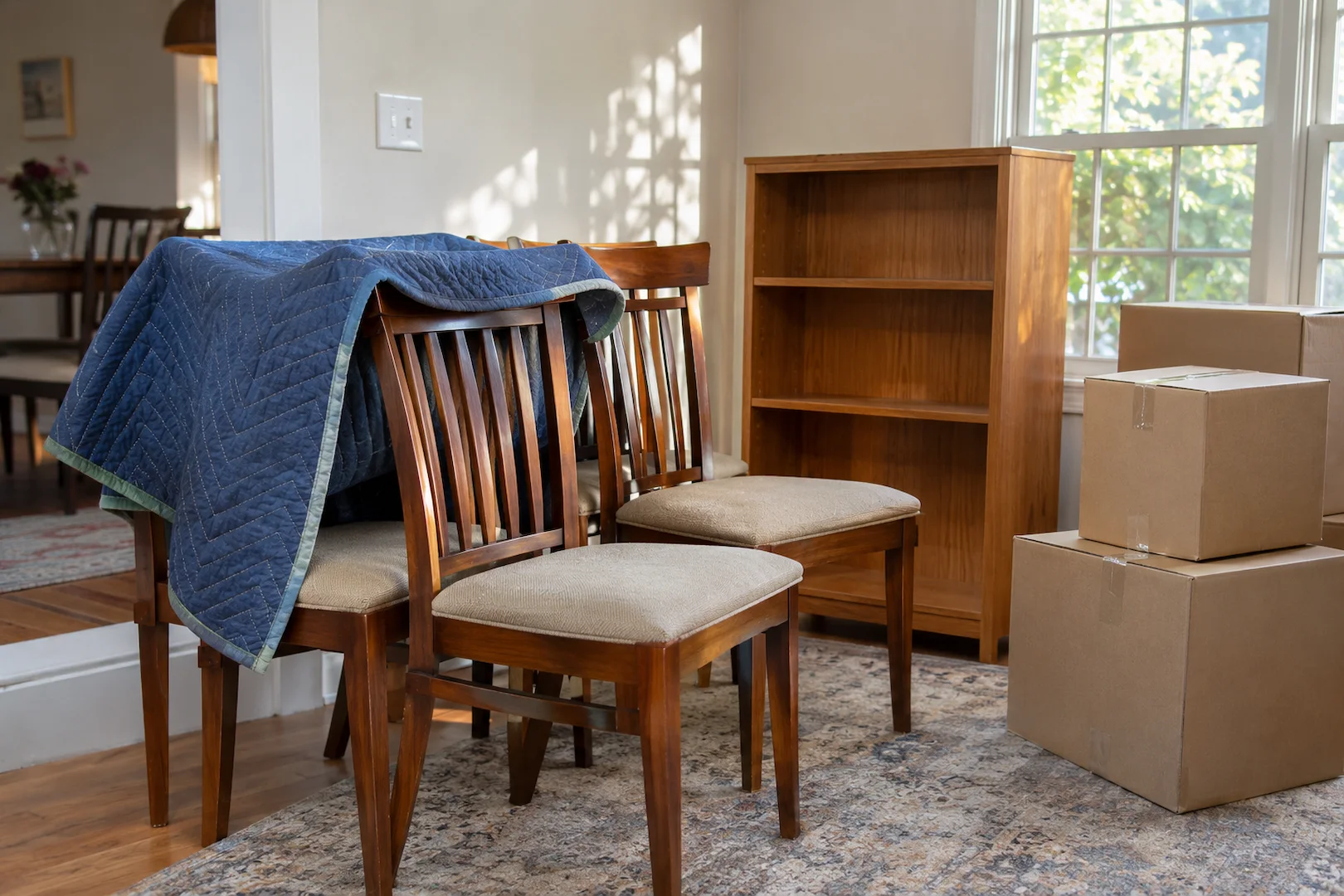
A donation offer needs an acceptance decision
Furniture can be useful to another household and still be unsuitable for a particular charity. Storage space, current demand, condition, and the ability to transport an item all affect acceptance. Start with the organization’s own website or staff, not a directory that may describe an older pickup program.
Prepare an item list with dimensions and photographs. Show the whole piece and any wear. Include whether it comes apart, whether all parts are present, and where it is located. A clear description saves both sides a wasted trip and helps the recipient decide whether it can use the donation.
Do not leave items outside a donation center when it is closed. A planned handoff protects the furniture from weather and lets staff inspect it. Until acceptance is confirmed, keep the item in the remove-or-donate group rather than treating it as a completed donation.
Check Greater Boston ReStore’s current list
Habitat Greater Boston ReStore is one local starting point for furniture, appliances, and some building materials. Its own page explains accepted categories and donation arrangements. The list is a guideline, and staff can decline items based on condition or store needs.
Use that page to check your exact item and then confirm the next step. A dining chair, a sofa bed, a large cabinet, and an office conference table should not be treated as interchangeable furniture. If the page directs you to a pickup partner, read that provider’s scope and charges separately.
Do not assume that a donation pickup is free, that an upstairs item can be collected, or that every item in a mixed load will be accepted. Ask those questions before booking transport. A Brickline removal booking does not confirm acceptance by a donation organization.
Send enough information for a useful answer
- Item name, quantity, and approximate dimensions
- Clear photos of the front, sides, and any damage
- Whether drawers, doors, hardware, and cushions are complete
- Whether upholstery has stains, tears, odors, or other condition concerns
- Floor level, stairs, elevator access, and parking restrictions
- Your deadline and whether you can deliver the item
Keep the message factual. “Good condition” means different things to different people; a photo of the actual wear is more useful. If something is missing, say so. The recipient can then give an acceptance decision that reflects the item you are offering.
If you are clearing several rooms, number the photos to match the inventory. That makes it easier to distinguish an accepted dresser from a similar one that was declined. Save the response so everyone helping with the cleanout knows what goes where.
Treat transport as its own arrangement
Confirm who collects the furniture and where the handoff takes place. Ask whether pickup means inside the home, at the ground-floor entrance, or at a curbside point. If stairs or disassembly are involved, settle that before the appointment.
For a property or estate cleanout, first establish which items may be donated. Do not combine a family member’s undecided belongings with an accepted donation load. Use separate labels for keep, family pickup, donation, sale, and disposal.
A recipient’s acceptance does not tell you how to move a heavy cabinet safely. Share access photos with whoever will transport it and let them assess the route. Keep doors, common areas, and the loading area available at the agreed time.
Have a route for anything that is declined
Some items will not find a reuse outlet in the time available. Plan for that possibility, especially when a move-out or property handover has a fixed date. Massachusetts provides a recycling and reuse guide that can help you find other routes for specific materials.
If an item cannot be donated, describe it accurately when asking about furniture removal. Do not describe a mixed load as a donation if its destination has not been agreed. Ask the provider which items are accepted and what the proposed removal includes.
Keep any receipts or handoff records supplied by the recipient. For questions about tax treatment, rely on the relevant tax guidance or an adviser; the fact that an item has been collected does not establish its value or a deduction.
Sources & further reading
Municipal programs and accepted materials can change. Check the linked program before making arrangements.


A little more room starts here
What would you like to clear?
A single item or several rooms. Tell us what you have, where it is, and when you need the space.
Photos help us understand the load. Mention stairs, elevators, and parking so we can plan the pickup with you.
(617) 399-3379Every day · 9am–7pmTiming depends on availability, access, and the items involved. For a request today, please call.