
Brickline · Boston
Renovation Debris Removal in Boston
Keep the next stage of your project moving with a defined debris-removal plan. Show us the materials, where they are stored, and how the collection point can be reached.
Tell us what needs to go. We’ll work through the details with you.
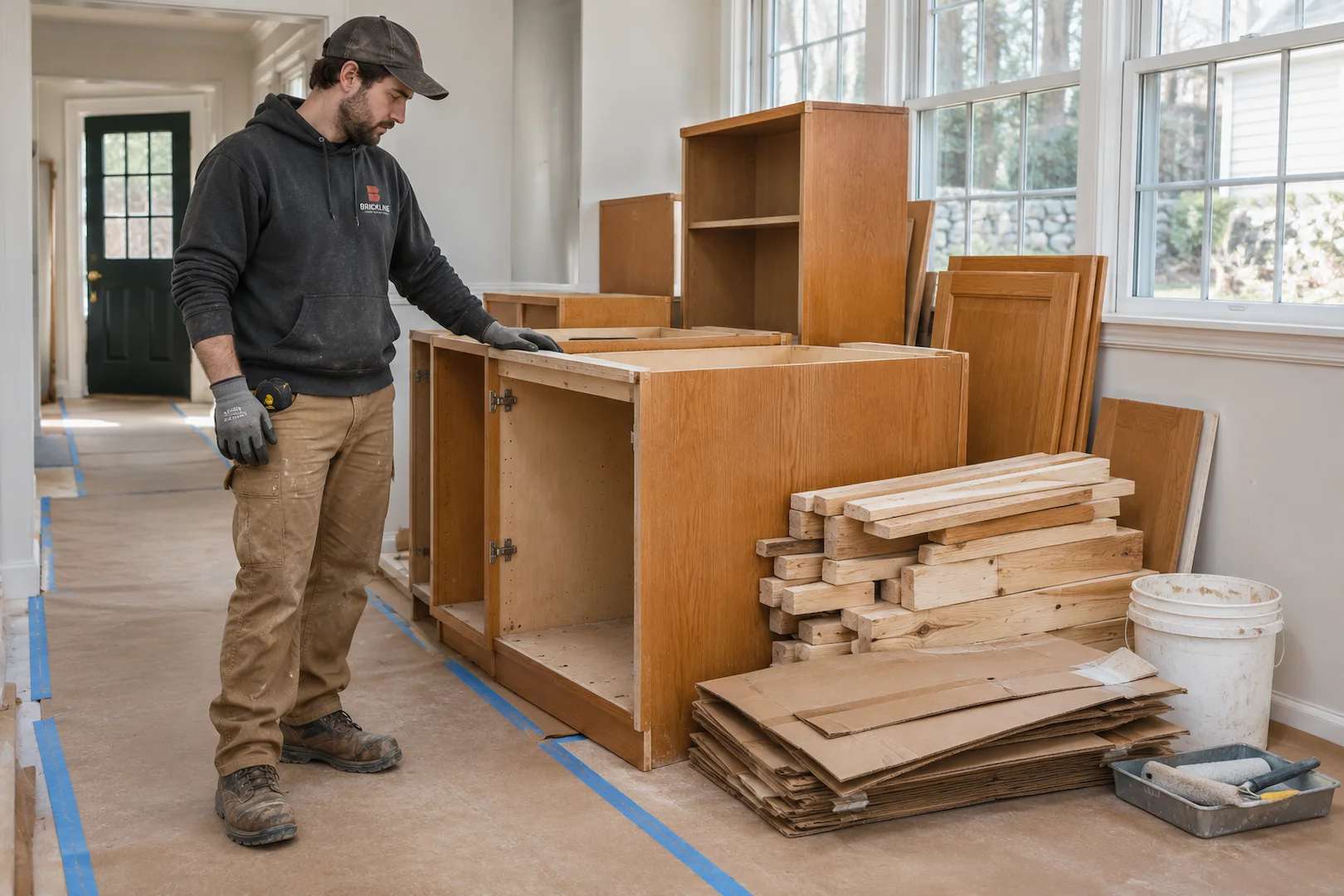
A material list makes the request useful
Describe wood, removed cabinets, cardboard, wallboard, fixtures, or other material individually. Include approximate quantities and photos. “Bathroom renovation” or “a few bags” does not reveal the actual composition or handling needs.
| Tell us | Why it matters |
|---|---|
| Material types and condition | Acceptance and receiving arrangements need to match the load |
| Quantity and whether more is coming | A single collection differs from staged project work |
| Storage and loading location | Stairs, distance, and access affect the removal scope |
| Items kept for reuse | They should remain separate from debris |
Keep usable fixtures separate from the debris
If cabinets, doors, or other pieces may be reused, make that decision before they are broken apart. Confirm the recipient’s acceptance and transport arrangement. Label those items so they do not enter the ordinary removal group.
MassDEP provides material-specific construction guidance. Different loads can require different handling, so tell us about mixed or uncertain material rather than describing it as a clean stream.
Our construction debris guide explains the planning questions in more detail. The service request should identify the actual accepted material and the work needed to collect it.
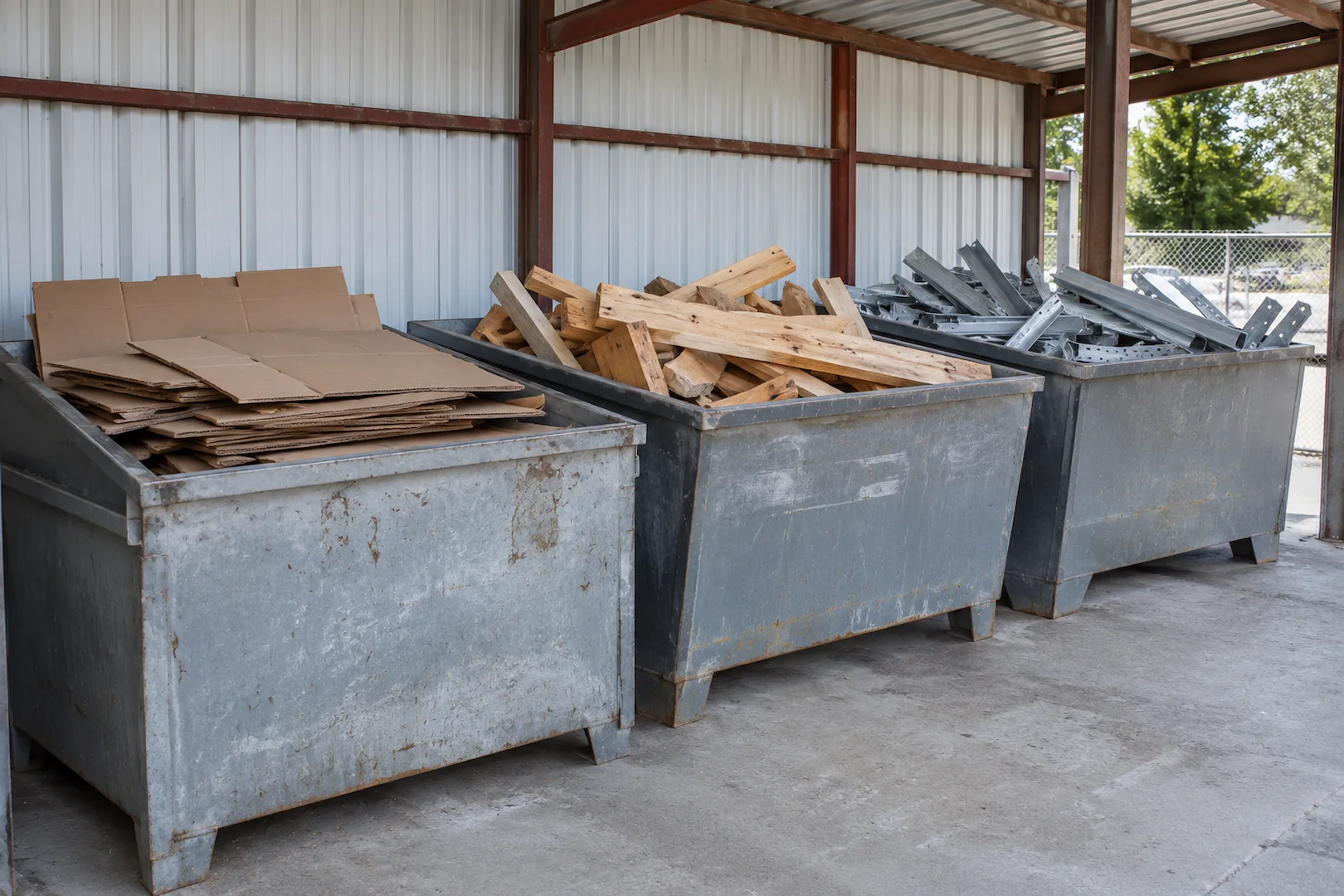
Specialist work stays outside an ordinary debris collection
Brickline does not offer asbestos abatement, hazardous-material removal, chemical disposal, or medical-waste handling. Suspect insulation, coatings, or unknown material must be addressed through the appropriate specialist route before ordinary debris removal is arranged.
Demolition, utility disconnection, and removal of installed structures should not be assumed part of hauling. Describe anything still attached or connected so the preparation can be clarified. Leave uncertain material undisturbed until the right provider has assessed it.
For appliances removed during a renovation, send their types and connection status separately. See appliance removal for the details needed.
Give the collection a clear route through the site
Tell us where the debris is stored, how far it is from the vehicle access, and whether the building is occupied. Include stairs, narrow doors, gates, and any fixed working hours. Keep the route and any approved staging area clear.
For equipment or containers using public space, check Boston’s street-occupancy requirements. Agree on responsibility for permission before anything arrives. A planned collection does not authorize storage on a sidewalk.
If the project generates debris over time, explain the stages and when each group will be ready. Changes in material or quantity need review rather than automatic inclusion in an earlier quote.
Request a quote for your project debris
Send current photos, the material list, approximate quantities, address, access, and preferred timing. Identify the items reserved for reuse and anything requiring separate specialist work.
Brickline can review the material list and confirm which debris and loading work can be included. Call (617) 399-3379 or use the form. After collection, keep relevant handoff information with your project records and check the staging area for excluded material that still needs attention.
Request a debris removal quote
A little more room starts here
What would you like to clear?
A single item or several rooms. Tell us what you have, where it is, and when you need the space.
Photos help us understand the load. Mention stairs, elevators, and parking so we can plan the pickup with you.
(617) 399-3379Every day · 9am–7pmTiming depends on availability, access, and the items involved. For a request today, please call.